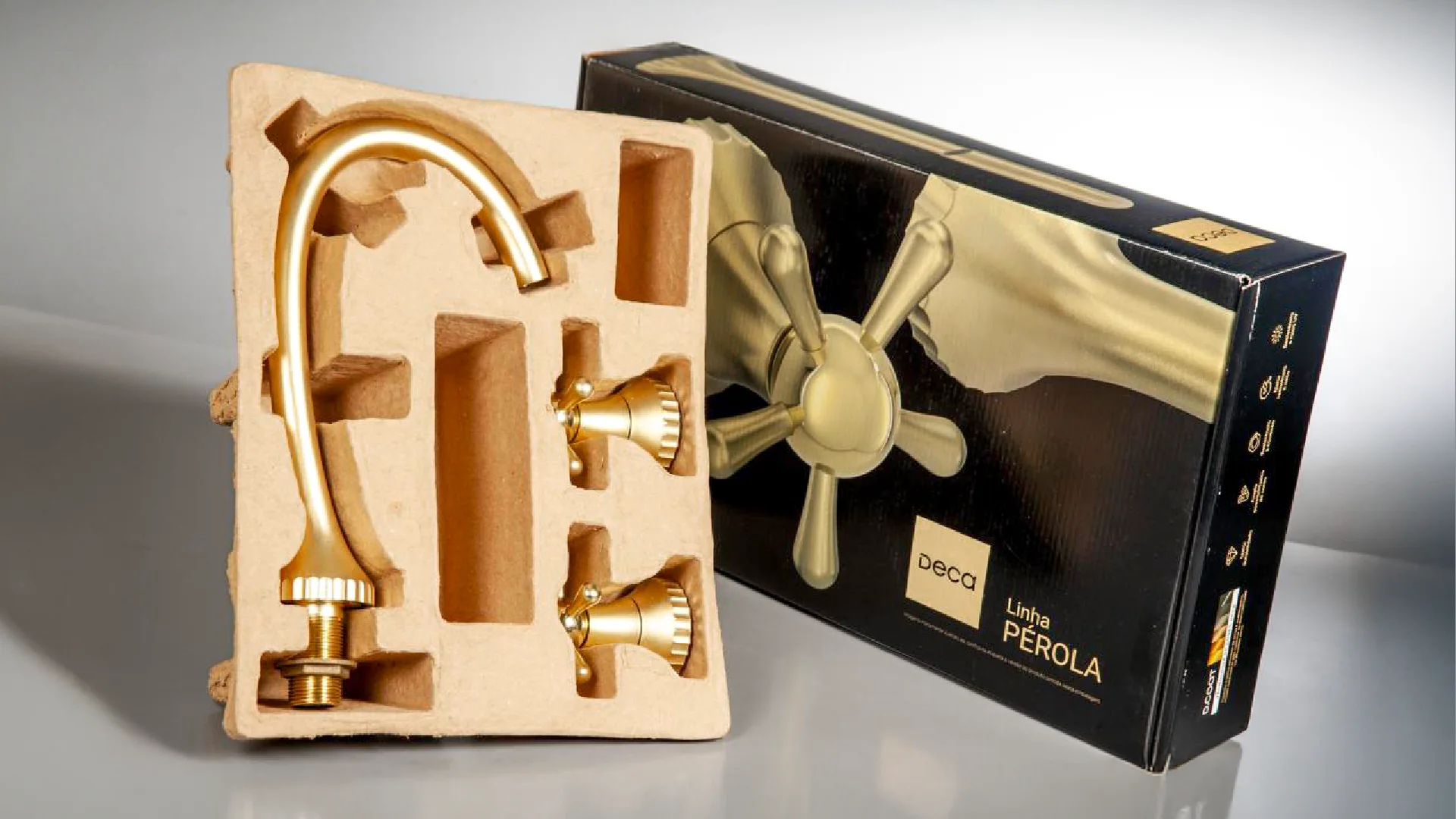
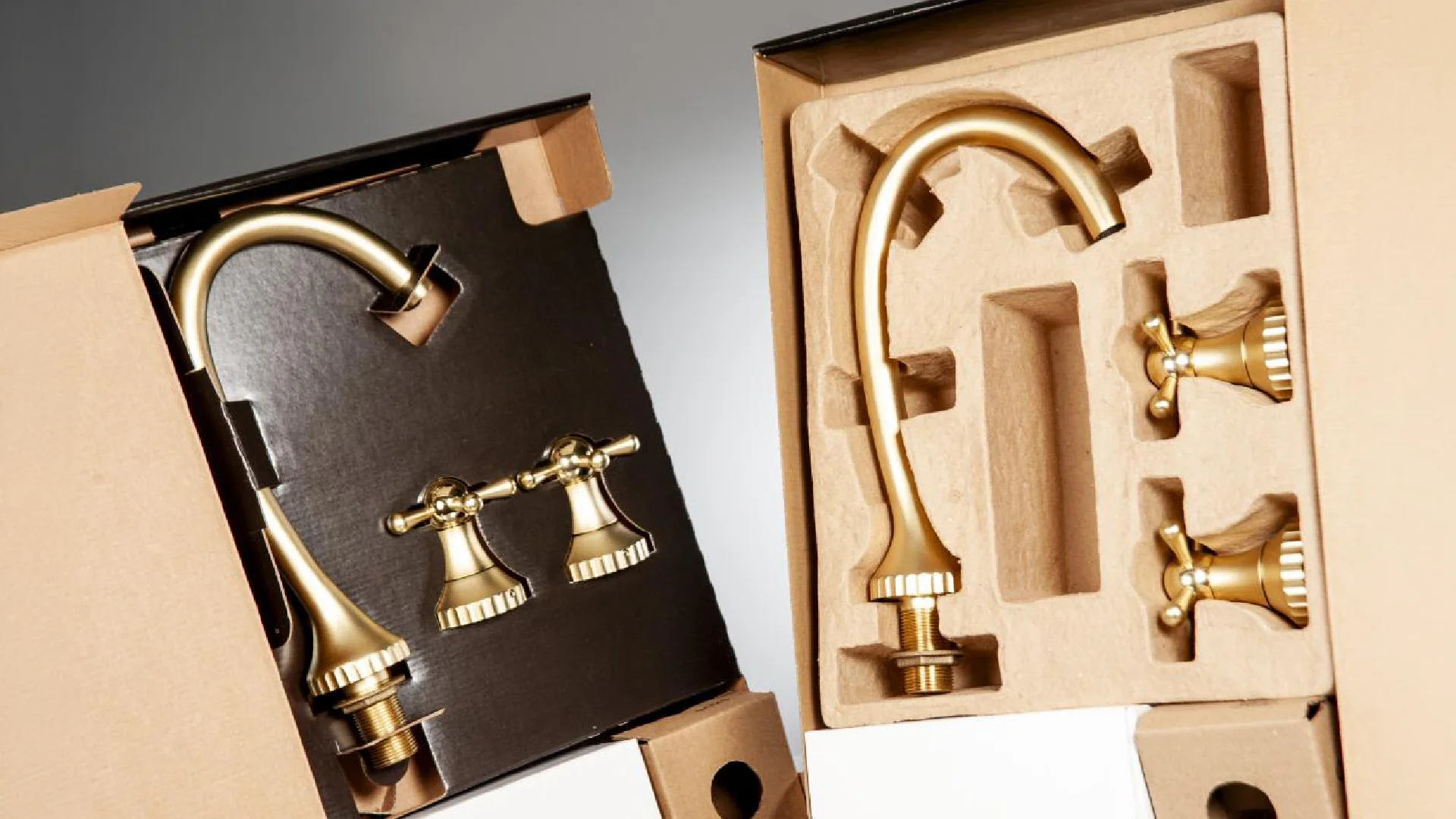
Moulded pulp tray holding the gold Pérola tap, next to the closed box in black and gold.

Redesign beyond the pack: across the whole production line.

The Deca Pérola line of taps and mixers: premium parts that were damaged in transit became a single box with a moulded pulp tray. Less cost, less waste, a better customer experience.

The system

The system, part by part.

One box for the whole line, instead of four cartons. One assembly flow, one stock item.

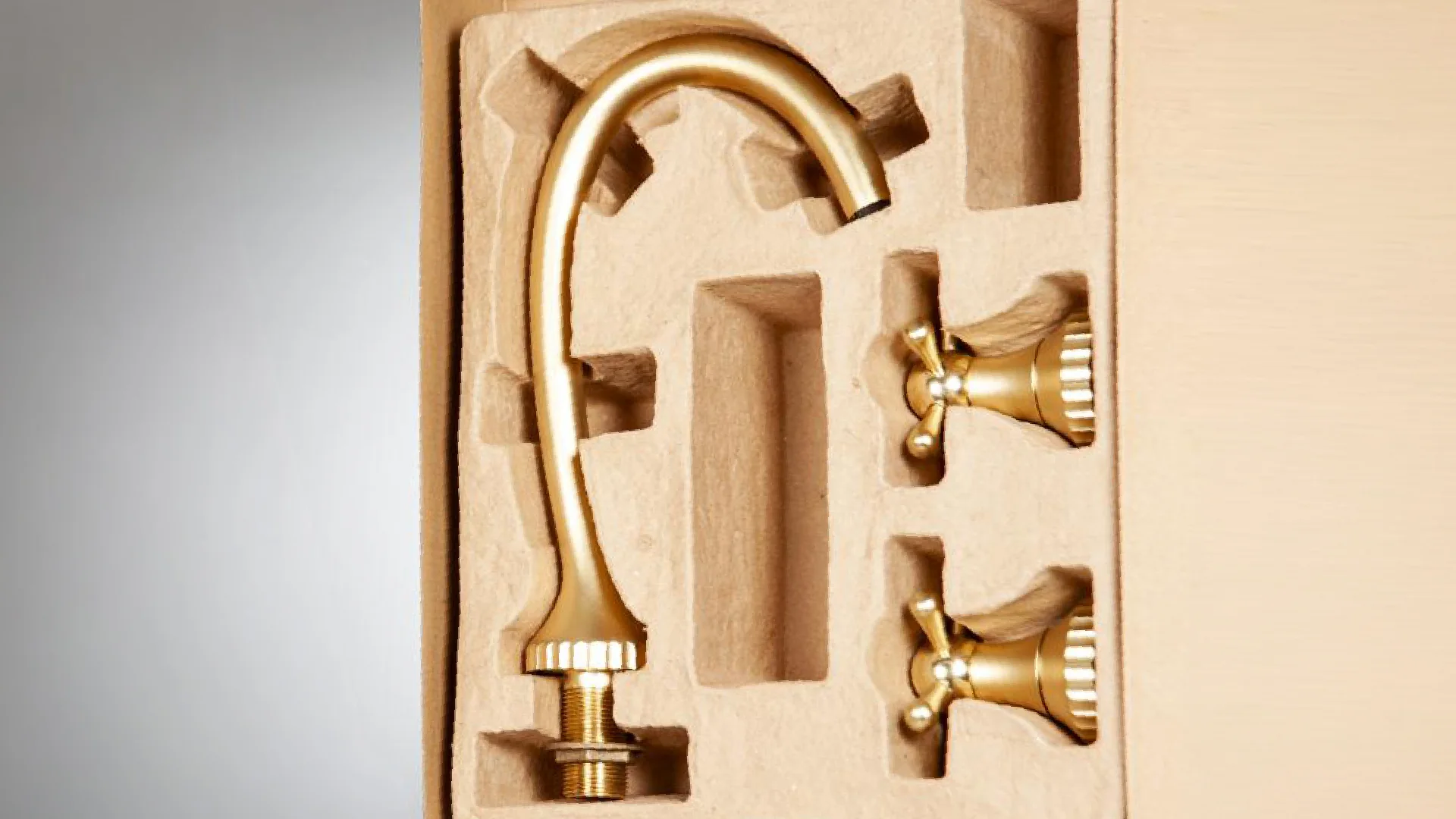
Moulded pulp that takes both curved and straight spouts and locks every part in place. Nothing touches, nothing scratches. The premium finish reaches the customer intact.

If the outer box is damaged, the tray goes on protecting the part. The old system, where a torn box meant writing off the whole unit, disappears.

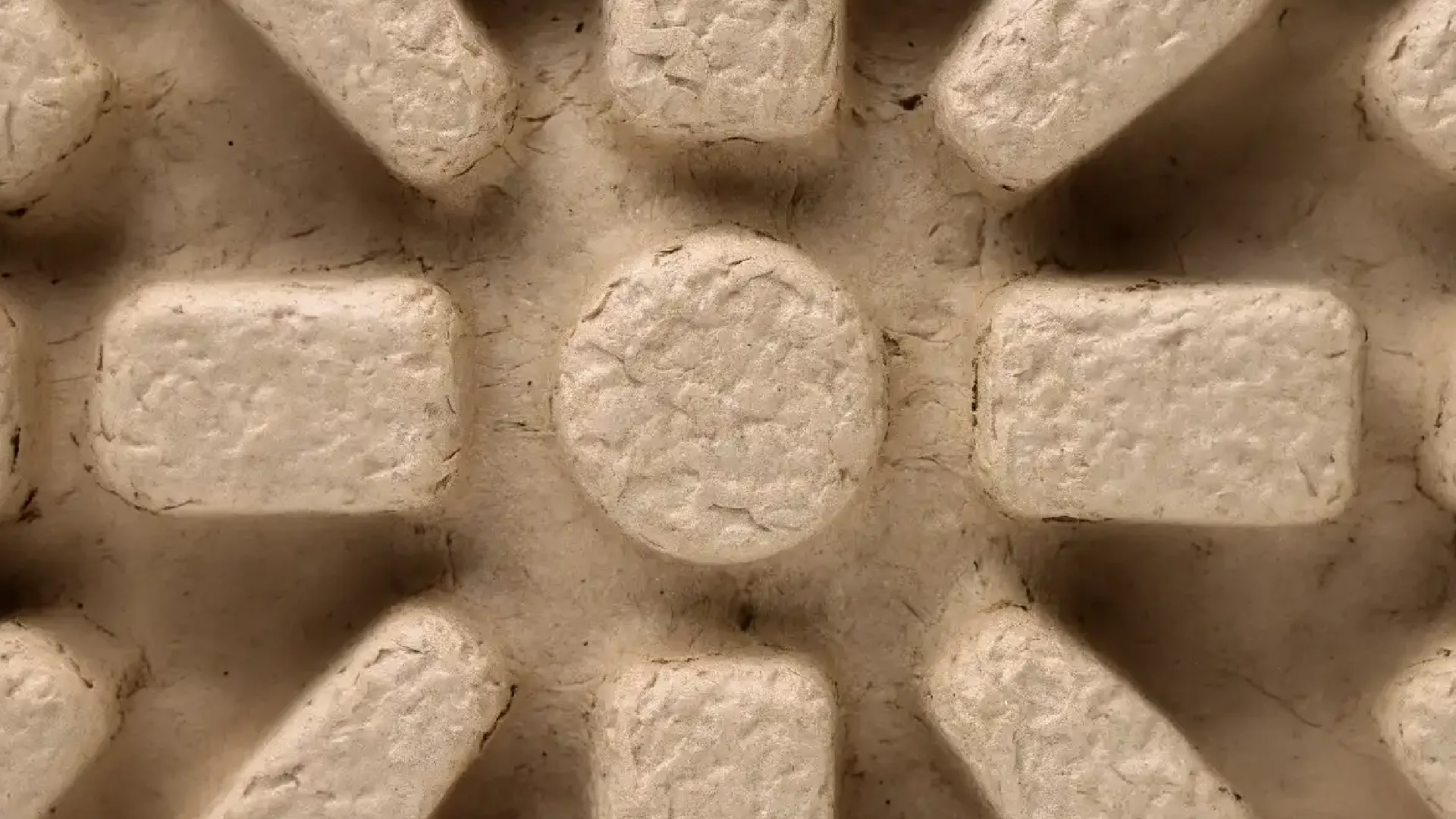
Recycled moulded pulp, recyclable and compostable; FSC certified board; water-based varnish. A sustainability statement that also survives a cost meeting.

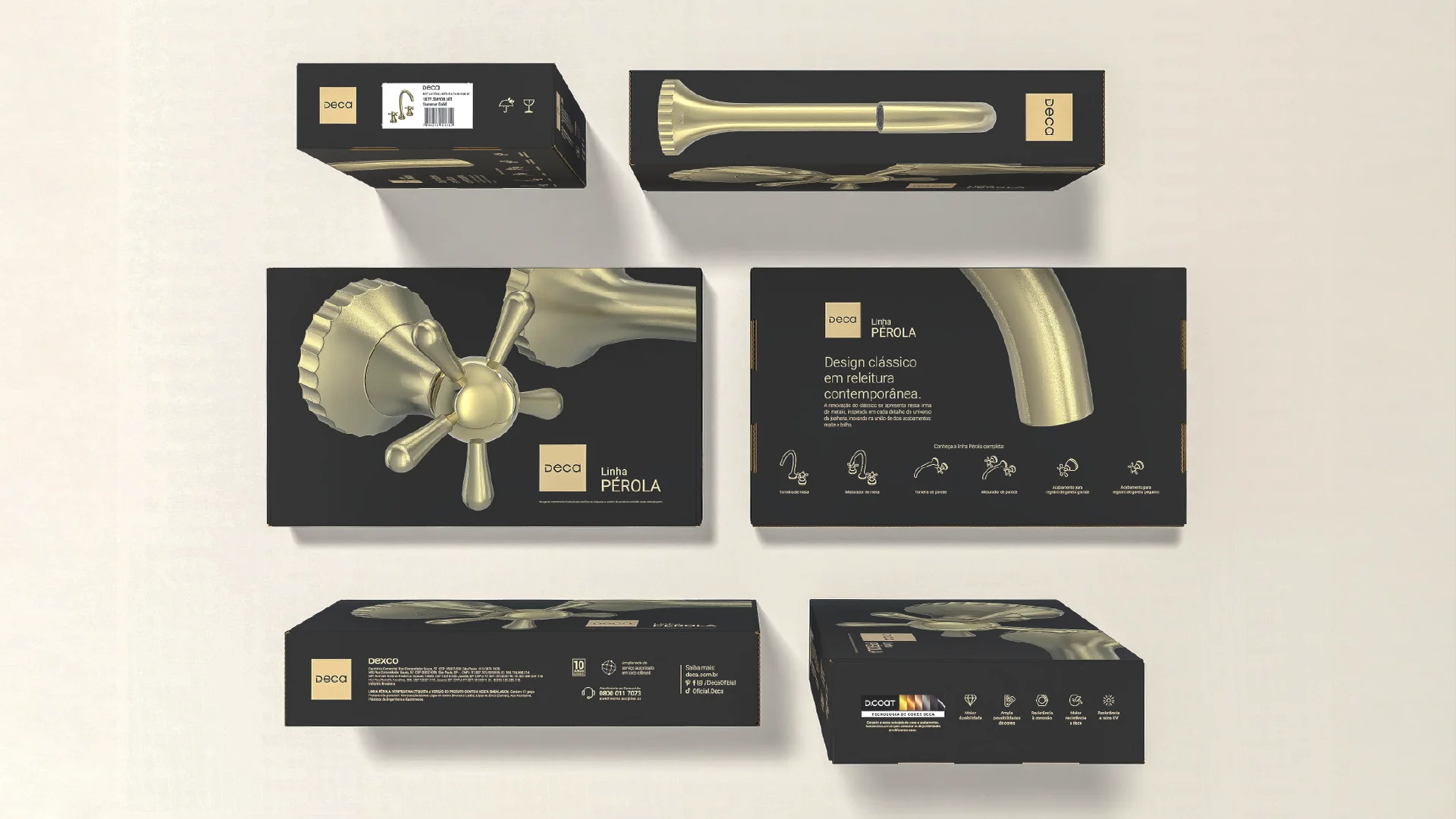
The panels of the Pérola universal box laid flat: lid, sides, base and information panel, in black and gold. Close-up of the moulded pulp tray with the curved spout and the tap's two handles seated in their recesses. The pulp tray with the parts in place, resting outside the closed Pérola box. The two parts are independent. Macro shot of the moulded pulp surface, showing the recycled fibre and the ribs that lock the parts.

The project in one line

Sustainability that also cuts cost.

The Pérola line shipped in four different cartons, with premium metal parts scratching each other inside the box. The packaging redesign started with the structure: one universal box and a moulded pulp tray that locks every part in place. Less cost, less assembly time, less waste, without losing a gram of premium perception on the shelf.

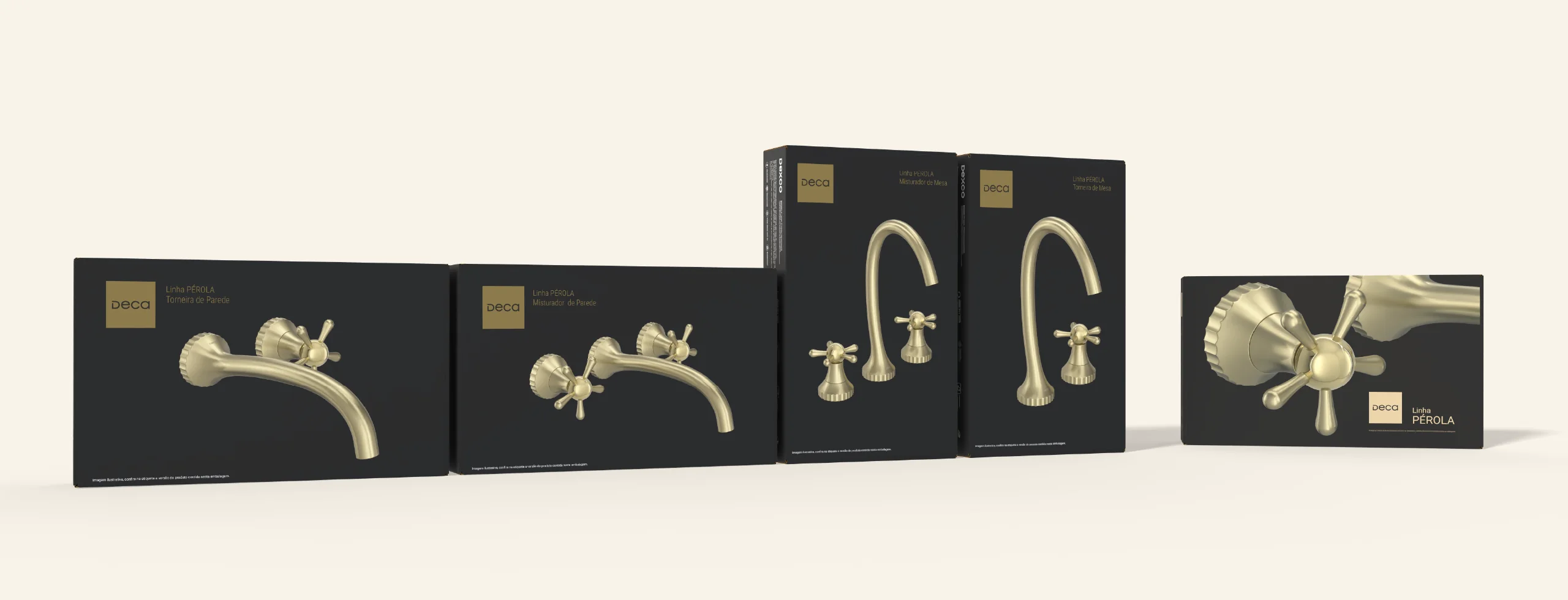
The Pérola line cases side by side (wall-mounted tap, wall-mounted mixer, deck-mounted mixer and deck-mounted tap), each product in its own packaging format.
The starting point: every product in its own case. One format, one assembly flow and one stock item for each product in the line.

How it was done

The phases of the project

Challenge

The old pack had a paperboard tray glued into the box, holding heavy, polished metal parts. In transit the parts came loose from the tray and scratched each other inside the box, damaging the finish before it reached the customer and generating complaints and returns. And there were four packaging formats: four assembly flows, four stock items, four sources of error.
Benchmark

While part of the market still uses trays in plastic or polystyrene foam, the first sustainable solution was the paperboard tray. After a series of complaints, we went looking for a sustainable tray that could protect and lock the parts in the best possible way.

Solution

One unified box and a separate moulded pulp tray. The tray takes both curved and straight spouts and locks every part, so nothing touches and nothing scratches. Tray and box independent, recyclable materials, and a graphic system that keeps the premium look.

Impact

Assembly −50%, packaging cost −21%, waste −50%. Every environmental gain came with an operational gain attached. Winner of the WorldStar 2026, silver at ABRE and Design for a Better World.

The differentiator

The structural decision, in two gains.

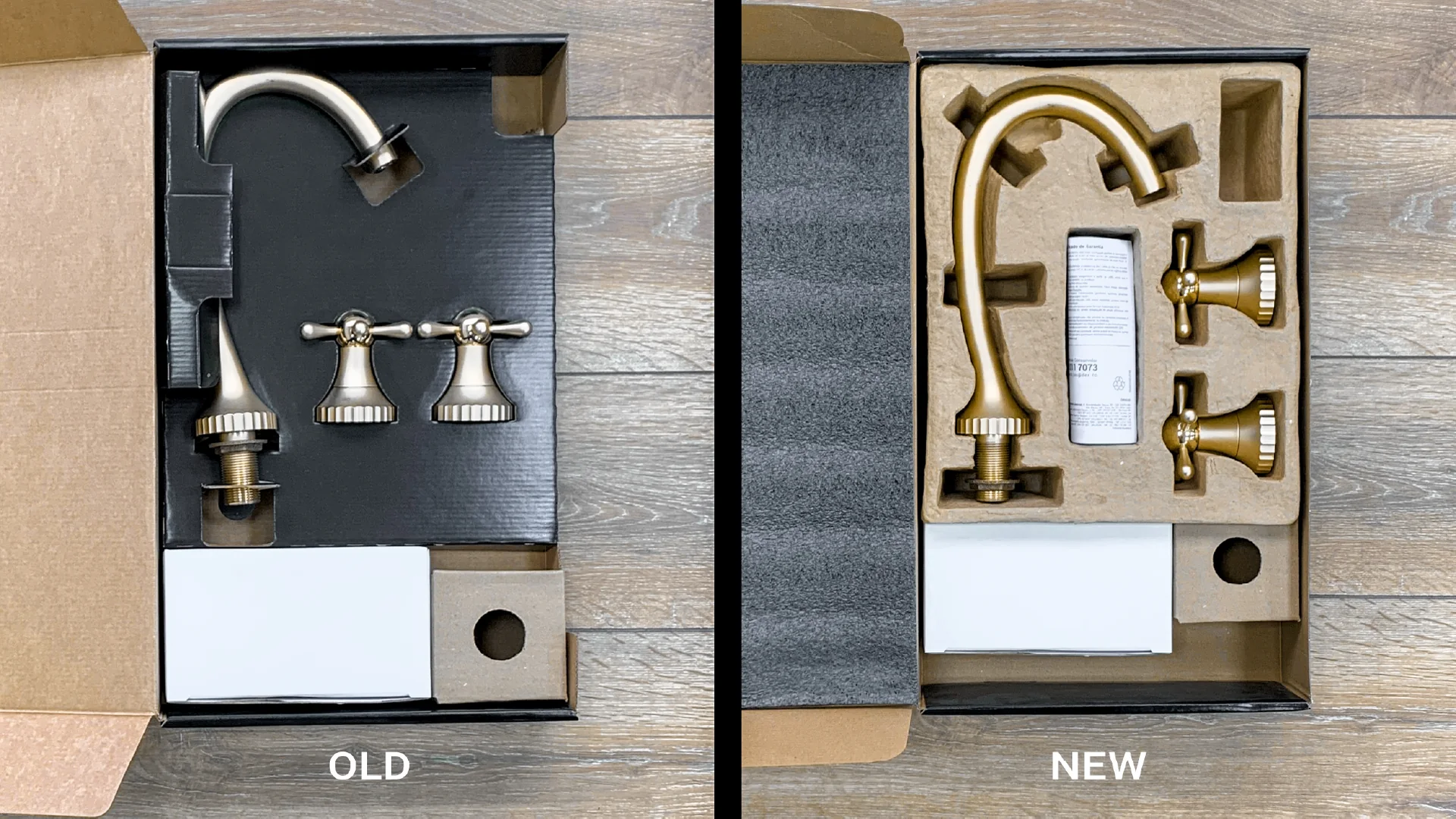
Before: tray and box joined together, and any damage or tear meant writing off the whole unit. After: tray and box separate, and damage to the outer box does not compromise the tray.

This is the case I show anyone who still thinks sustainable packaging is a cost centre. Every environmental gain (less waste, less energy, less CO₂) came with an operational gain attached. It is not a trade-off; it is better packaging.

Side by side comparison: on the left the paperboard tray glued into the old box, on the right the moulded pulp tray loose inside the new box. Real photo of the two boxes open side by side: the old pack with its paperboard tray and the new one with its moulded pulp tray.

The proof

The case told by the people who awarded it.

EmbalagemMarca produced the project video for the Grandes Cases de Embalagem 2025 awards: the single box that replaced the individual cases, the pulp tray that stabilises curved and straight spouts, the assembly errors that disappeared and the 21% cut in packaging unit cost.

Grandes Cases de Embalagem 2025 · EmbalagemMarca · October 2025
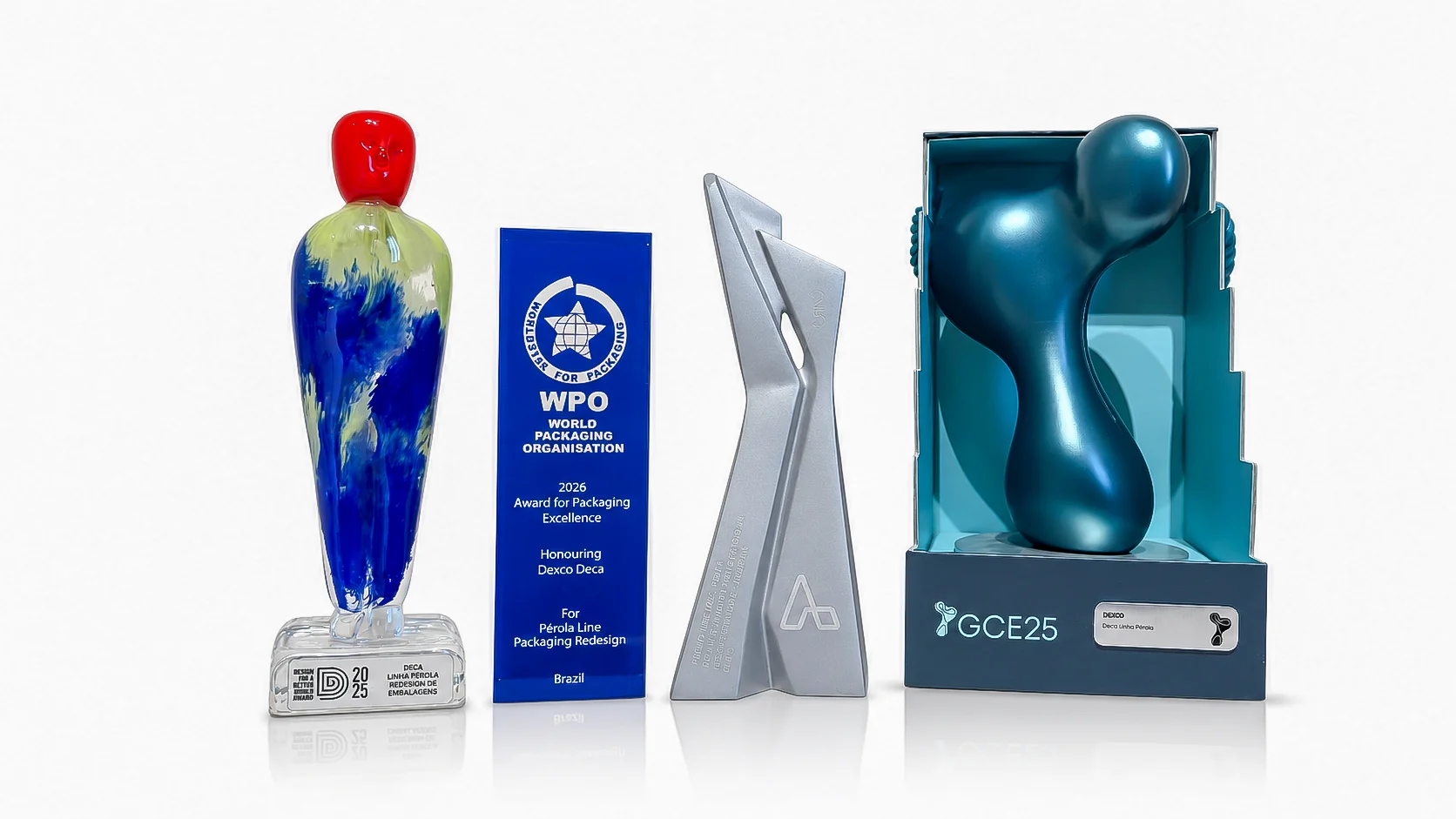
The project's four trophies side by side: Design for a Better World 2025, WorldStar from the World Packaging Organisation 2026, Prêmio ABRE and Grandes Cases de Embalagem 2025.

Recognition

Four awards.

Winner of the WorldStar Packaging Awards 2026 in Household, run by the World Packaging Organisation, and silver at the Prêmio ABRE da Embalagem Brasileira in Structural Design.

Awarded at Design for a Better World 2025, run by Centro Brasil Design, and at the Grandes Cases de Embalagem 2025, run by EmbalagemMarca.